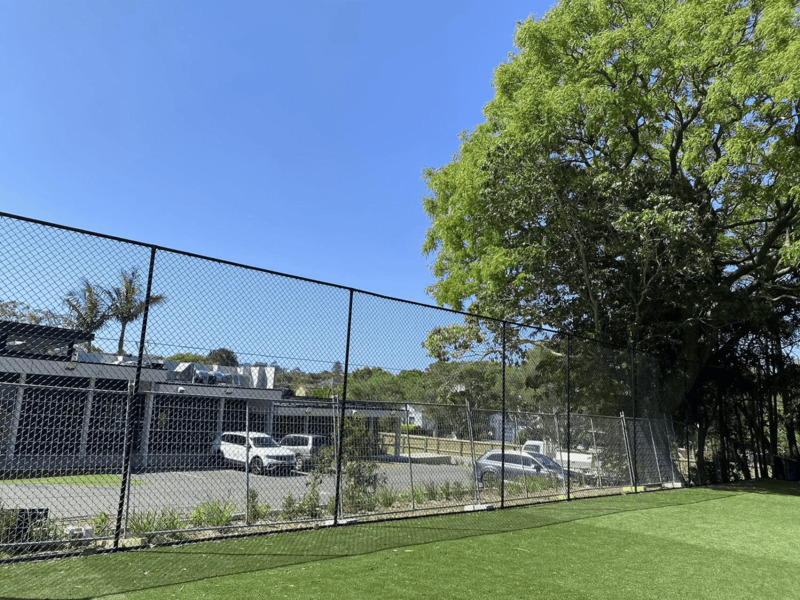
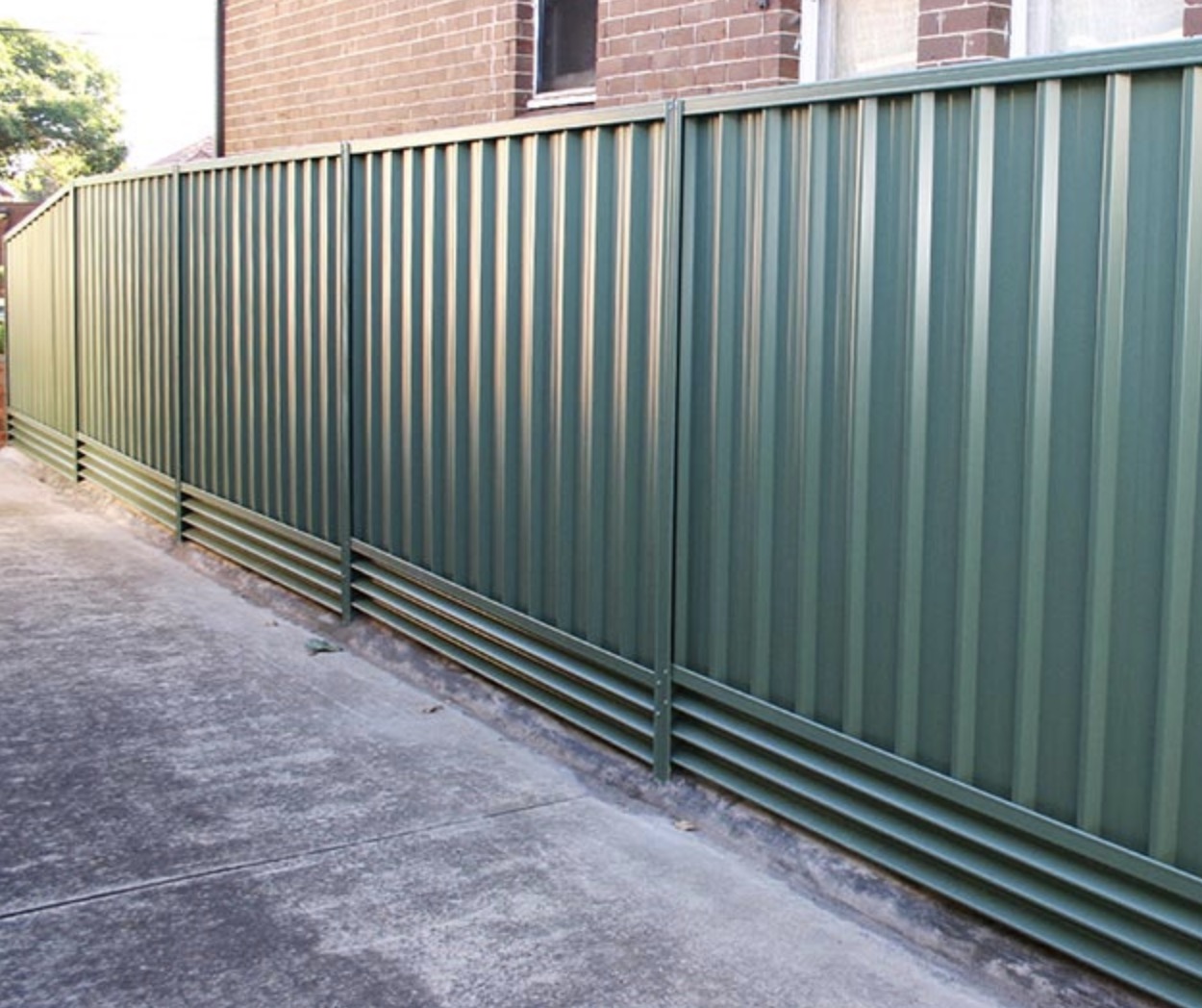
Putting up a fence often looks straightforward until you’re halfway through the job. Panels don’t line up. The posts lean slightly. Gaps appear where you didn’t expect them. This Colorbond fence installation guide explains what actually goes into a proper install, why certain steps matter more than others, and how homeowners can avoid common issues that show up months after the fence is finished.
Why Colorbond Fencing Works Well for Sydney Homes
Colorbond fencing is widely used across Sydney because it suits both the climate and modern housing styles. The steel construction stays straight through hot summers and wet periods, and the finish holds its colour without constant upkeep.
It also creates a solid visual boundary. There are no gaps, no overlapping boards, and no need for regular repainting. For homeowners who want privacy without ongoing maintenance, Colorbond often strikes the right balance between appearance and practicality.
What to Confirm Before Installing Colorbond Fence
Before installing a Colorbond fence, a few checks up front can prevent costly mistakes later. This stage is easy to rush, but it sets the foundation for everything that follows.
It’s important to confirm:
- Exact boundary lines and fence placement
- Council or strata requirements around height and colour
- Any neighbour approvals needed for shared boundaries
- Access points for materials and equipment
- Ground conditions such as clay, fill, or uneven terrain
Overlooking any of these can lead to alignment problems, delays, or disputes once work begins.
How to Install a Colorbond Fence From Start to Finish
Many people search for how to install a Colorbond fence, expecting a simple checklist. In practice, fencing is about accuracy and sequencing.
The process starts with setting out a straight fence line and marking post positions carefully. Holes are dug to the correct depth, then posts are set in concrete and aligned. This step takes patience. Once the concrete has cured, rails are installed, followed by the panels, top rails, and finishing caps.
If the early stages aren’t done properly, the problems usually only become visible once the panels go in.
How to Install Colorbond Fence Posts Correctly
Knowing how to install Colorbond fence posts is essential for a fence that stays straight over time.

Post holes generally need enough depth to anchor the fence securely, especially for taller designs or softer soil. Each post must be held plumb while the concrete sets. Even a slight lean at this stage becomes more noticeable once panels are installed across a long run.
Letting the concrete cure fully before attaching rails helps prevent movement and long-term instability.
Colorbond Fence Post Spacing and Alignment
Correct colorbond fence post spacing plays a big role in both appearance and strength.
Standard spacing is usually around 2350mm centre-to-centre, but this can change depending on fence height, wind exposure, and site conditions. Sloped blocks also require adjustments to maintain a consistent stepped finish.
Inconsistent spacing often leads to rattling panels or uneven gaps that are difficult to fix once the fence is complete.
How to Install Colorbond Fence on a Slope
Sloping land is where many installations become more challenging. Homeowners often start searching for how to install a Colorbond fence on a slope after realising flat-ground instructions don’t translate well.
Most Colorbond fences on slopes use a stepped layout, where each panel stays level while the height drops gradually along the boundary. This approach keeps the fence looking neat, but it requires precise height calculations at every post. Small errors early on can throw off the rest of the run.
DIY Colorbond Fence Kit vs Professional Installation
A diy colorbond fence kit can be suitable for short, flat sections with clear access. Kits usually provide pre-cut components, which helps with material handling.
However, DIY projects often run into issues once post alignment, concrete curing, and spacing come into play. Many people researching how to build a Colorbond fence underestimate how much experience it takes to keep a long fence straight and consistent.
Professional installers bring familiarity with slopes, soil variations, and alignment details that are hard to learn from instructions alone.
Colorbond Fence Installation Cost: What Influences Pricing
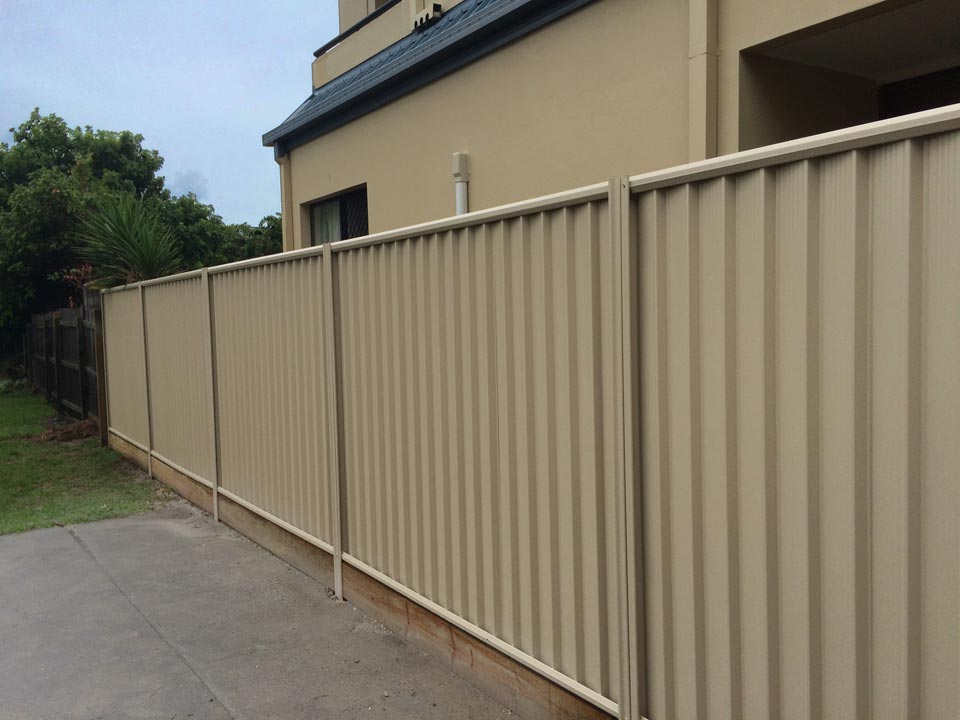
The Colorbond fence installation cost depends on more than just the total length. Site conditions and design choices have a big impact.
Costs are commonly affected by:
- Fence height and total run length
- Soil type and excavation difficulty
- Sloped or stepped sections
- Access restrictions around the property
- Colour and finish selection
Homeowners often ask how much is Colorbond fencing per metre installed, but accurate pricing usually comes from assessing the site itself. Comparing Colorbond fencing installation cost with timber fencing often highlights Colorbond’s long-term value due to reduced maintenance.
If you’re working out how much to install a Colorbond fence, it’s best to factor in site conditions rather than relying on flat-rate averages.
How to Make a Colorbond Fence Look Better
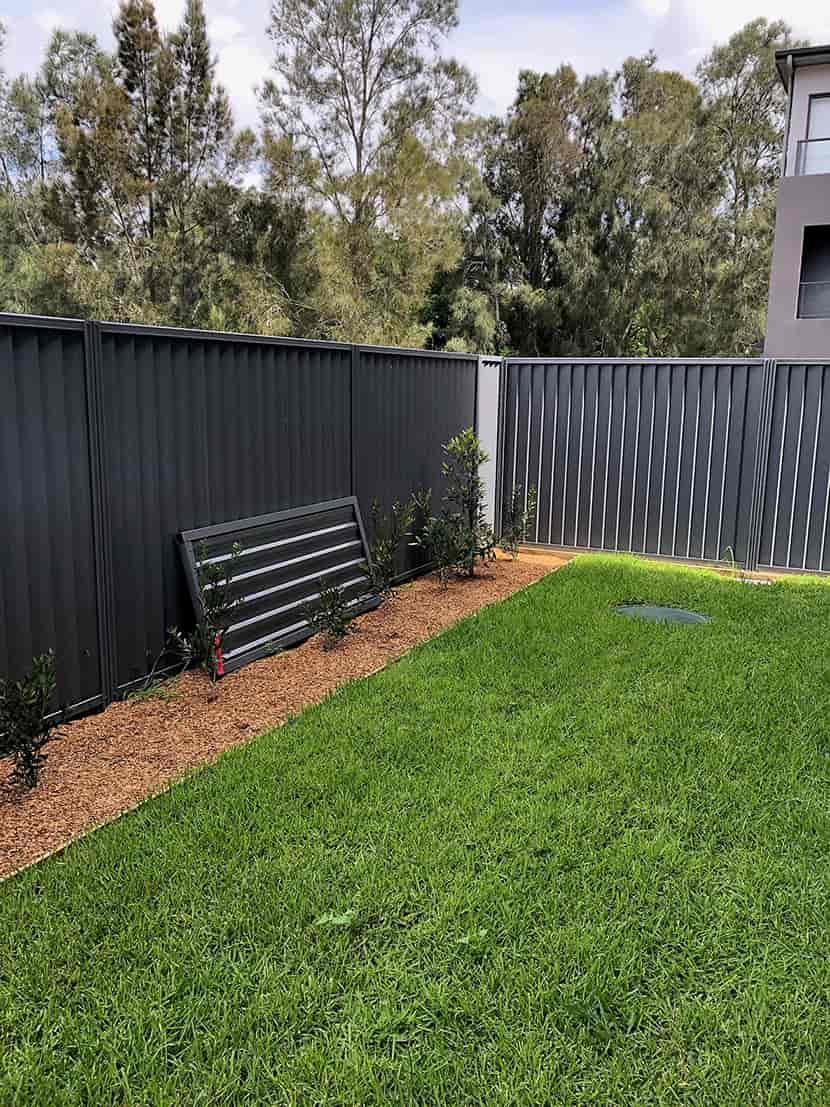
Once the fence is installed, small finishing choices can lift the overall look. Matching gates, clean capping, and landscaping along the fence line help soften the steel finish and tie the fence into the rest of the property.
Looking through completed projects in Our Gallery is a good way to see how different colours and layouts work across Sydney homes.
Choosing the Right Installation Approach
This colorbond fence installation guide shows why careful planning and correct installation methods matter. While DIY can suit simple projects, professional colorbond fence installation helps avoid uneven lines, delays, and rework.
You can explore fencing options through our product range or learn more about residential fencing services.
For advice specific to your property, get in touch with us. A fence should look right from the first day and continue to perform for years to come.