
One of the most critical decisions when planning a new fence is determining the correct distance between fence posts. Proper fence post spacing ensures durability, stability, and overall functionality. This is particularly true in Australia, where varying weather conditions, soil types, and fencing materials can all affect a fence’s performance.
Whether you are a DIY enthusiast or planning to hire a professional contractor like Longain Fencing, understanding how far apart should fence posts be will help ensure your fence stands strong for years to come.
General Guidelines for Fence Post Spacing
The spacing between fence posts largely depends on the fence you’re installing. For example, the distance between posts for a timber fence will differ from that for a chain-link or rural fence.
As a general rule, fence posts are typically spaced between 1.8 and 3 meters (6 to 10 feet) apart. However, this generally depends on factors like the weight of the fence material and the expected exposure to wind.
1. Timber Fencing
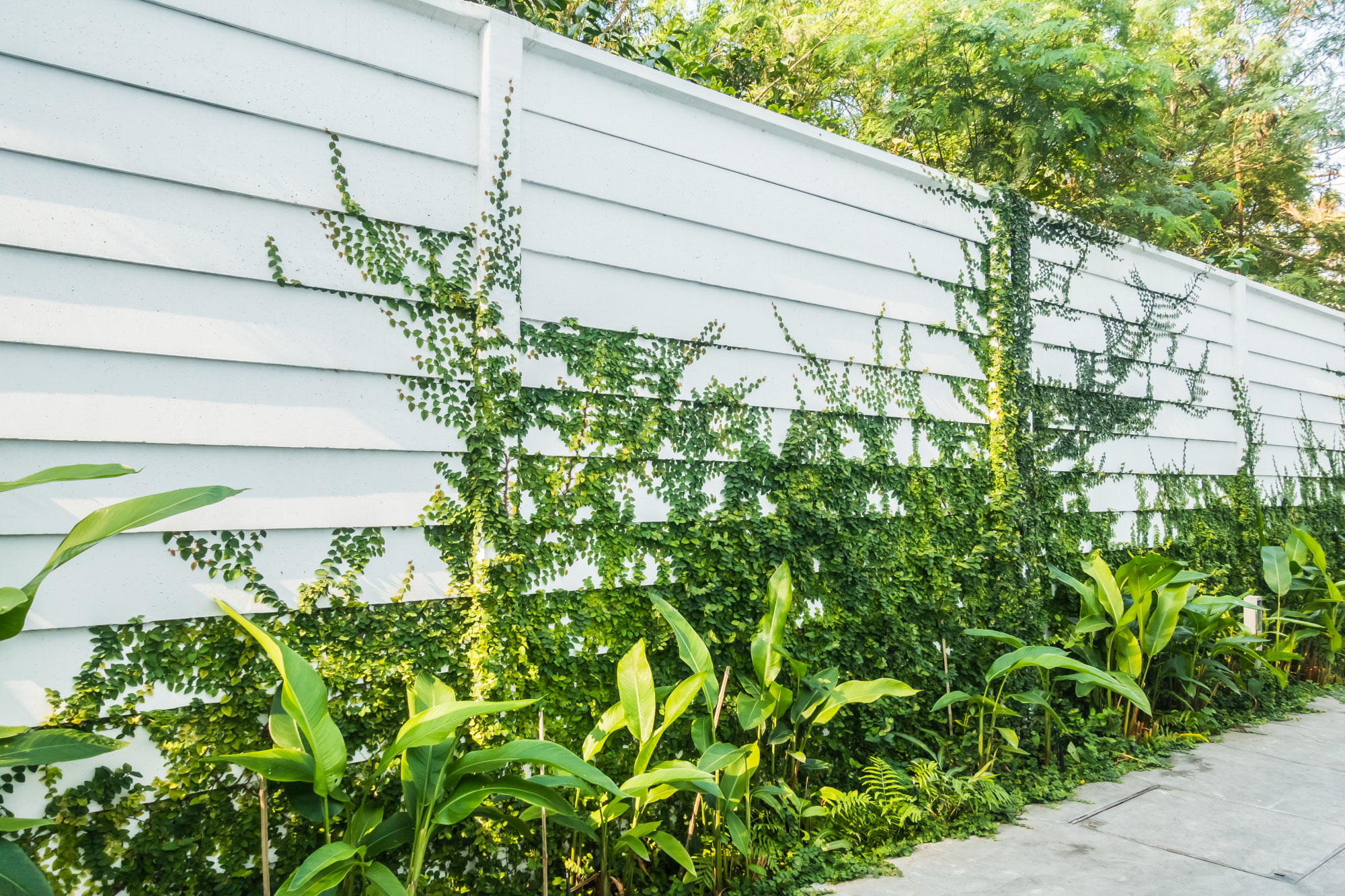
Timber fences, one of the most popular choices for residential properties, generally require timber fence post spacing of around 2.4 meters (8 feet). This distance provides enough support for the weight of the timber panels while maintaining structural integrity over time. Proper post spacing prevents sagging or warping, especially in Australia’s fluctuating climate.

2. Chain Link Fencing
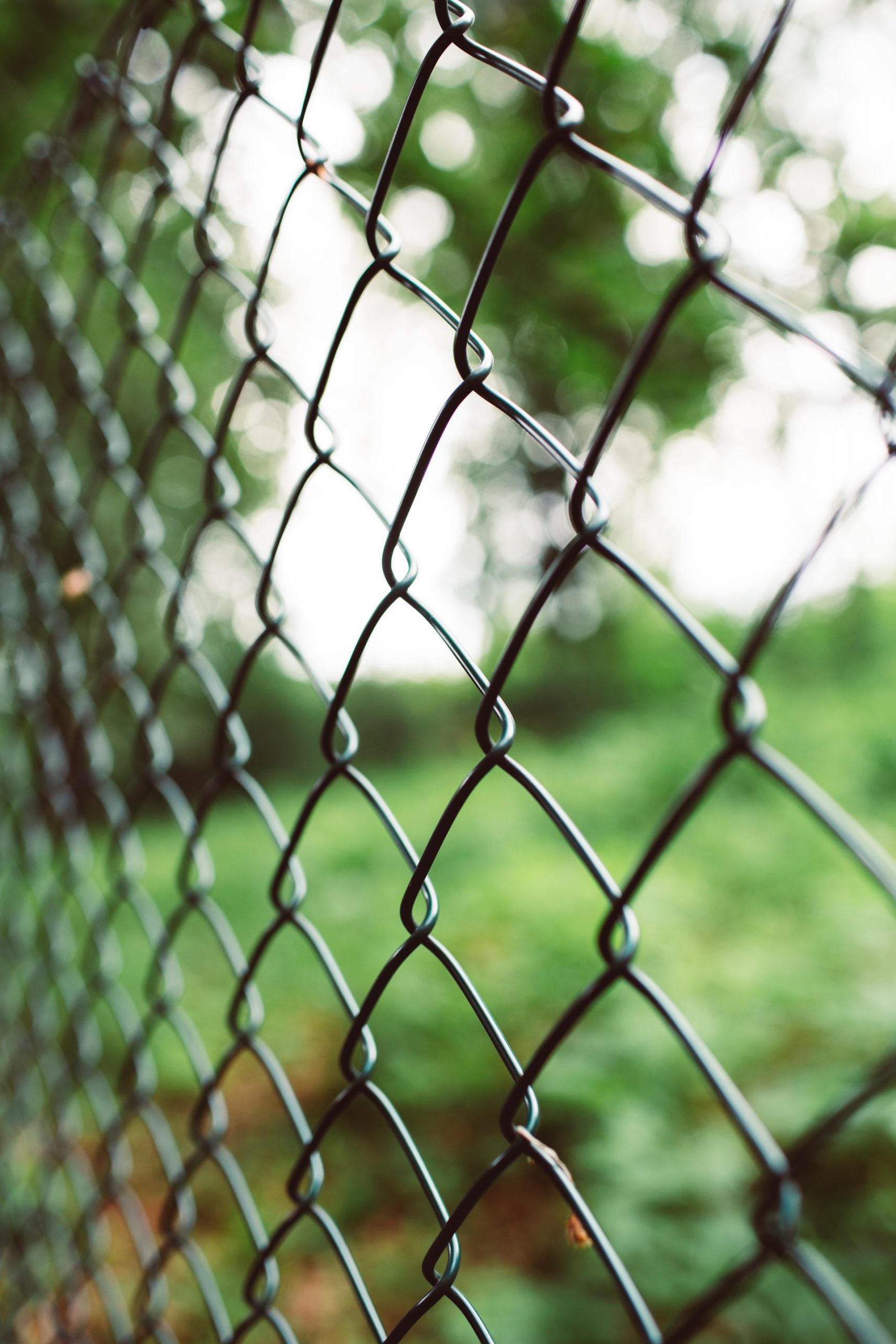
Chain-link fence posts are typically between 2.4 and 3 meters (8 to 10 feet) apart. They are often used to secure large areas such as backyards, industrial sites, or sports fields. The lighter weight of chain-link material means you can space the posts slightly further apart without sacrificing stability. Chain-link fence post spacing ensures a sturdy, long-lasting installation.
3. Rural or Farm Fencing
In rural areas, fences are often designed to cover extensive distances. For farm fencing, such as post-and-wire or barbed wire fences, farm fence post spacing can vary from 3 to 4 meters (10 to 13 feet), depending on the material and the terrain. Wider rural fence post spacing reduces the overall cost of materials while providing sufficient support for the fence. Learn more about our rural fencing products on our website.
Factors Influencing Fence Post Spacing
While the general guidelines above offer a good starting point, several factors can influence the exact fence post spacing:
Soil Type
The type of soil in your area plays a significant role in determining how far apart fence posts should be. Posts may need to be placed closer together in areas with soft or sandy soil to ensure stability. Conversely, posts can be spaced further apart in more solid or clay-based soils because the ground offers better support.

Fence Material
Heavier fencing materials, such as timber or metal, require closer fence post spacing to ensure the fence doesn’t sag or lean over time. On the other hand, lighter materials, such as chain links or wire fencing, can allow for wider spacing.
Wind Conditions
If you live in a windy area, it’s essential to consider the impact of wind on your fence. Wind can pressure the fence panels, which may require closer fence post spacing to ensure the fence remains upright. In high-wind areas, posts spaced closer together can help prevent wind damage, particularly for solid fencing like timber or Colorbond.
DIY vs. Professional Installation
For many homeowners, installing a fence seems like a straightforward DIY project. However, it’s essential to recognise that certain types of fencing, particularly those requiring precise fence post spacing or additional considerations like soil type and wind load, may be better suited to a professional installation.
DIY Projects
If you’re confident in your ability to follow the guidelines and have experience working with the materials, installing a basic fence like a chain link or timber picket fence can be a rewarding DIY project. Be sure to accurately measure and mark the fence post locations, use a level to ensure posts are straight, and follow best practices for setting posts in concrete to prevent shifting over time.
When to Hire a Professional
For more complex projects, such as large rural fences or custom-designed timber fences, it’s often best to hire a professional contractor like Longain Fencing. Professionals have the expertise to assess site-specific conditions—such as soil quality and wind exposure—and adjust the fence post spacing and installation method accordingly. This ensures your fence will last for many years with minimal maintenance. Check out our gallery for examples of our high-quality installations.
Specific Fence Post Spacing Recommendations
Timber Fence Post Spacing: 2.4 meters (8 feet)
Chain Link Fence Post Spacing: 2.4 to 3 meters (8 to 10 feet)
Farm Fence Post Spacing Guide: 3 to 4 meters (10 to 13 feet)
Rural Fence Post Spacing: Generally 3 meters (10 feet)
Conclusion

The distance between fence posts is one of the most critical factors in ensuring the longevity and performance of your fence. You can determine the optimal fence post spacing for your specific fencing project by considering factors like fence material, soil type, and wind conditions. While some projects may be suitable for DIY installation, others may require the expertise of a professional fencing contractor like Longain Fencing.
With years of experience serving Sydney and the surrounding areas, Longain Fencing offers top-quality fencing solutions tailored to your unique needs. Contact us today for expert advice or to schedule a professional installation.