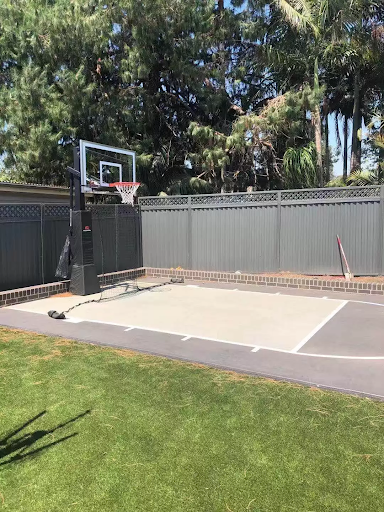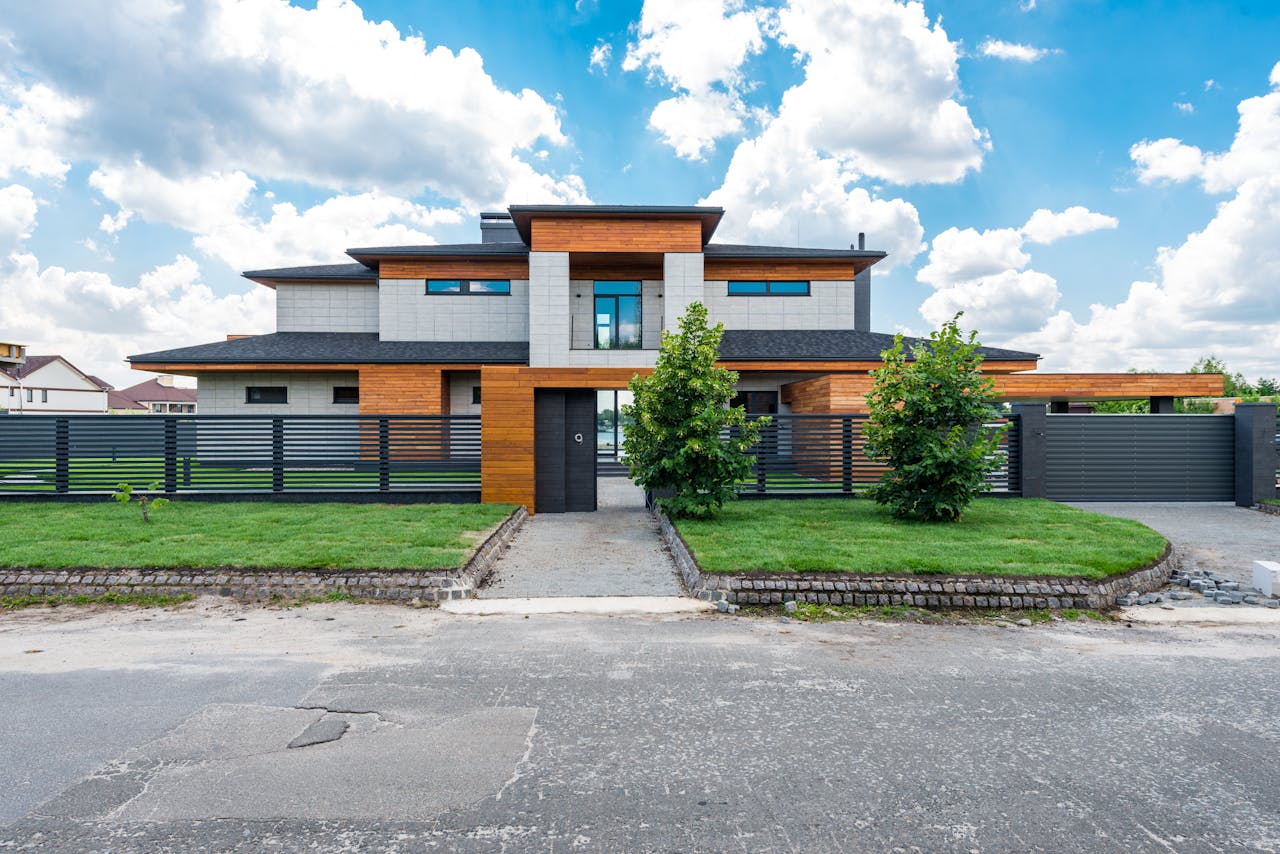
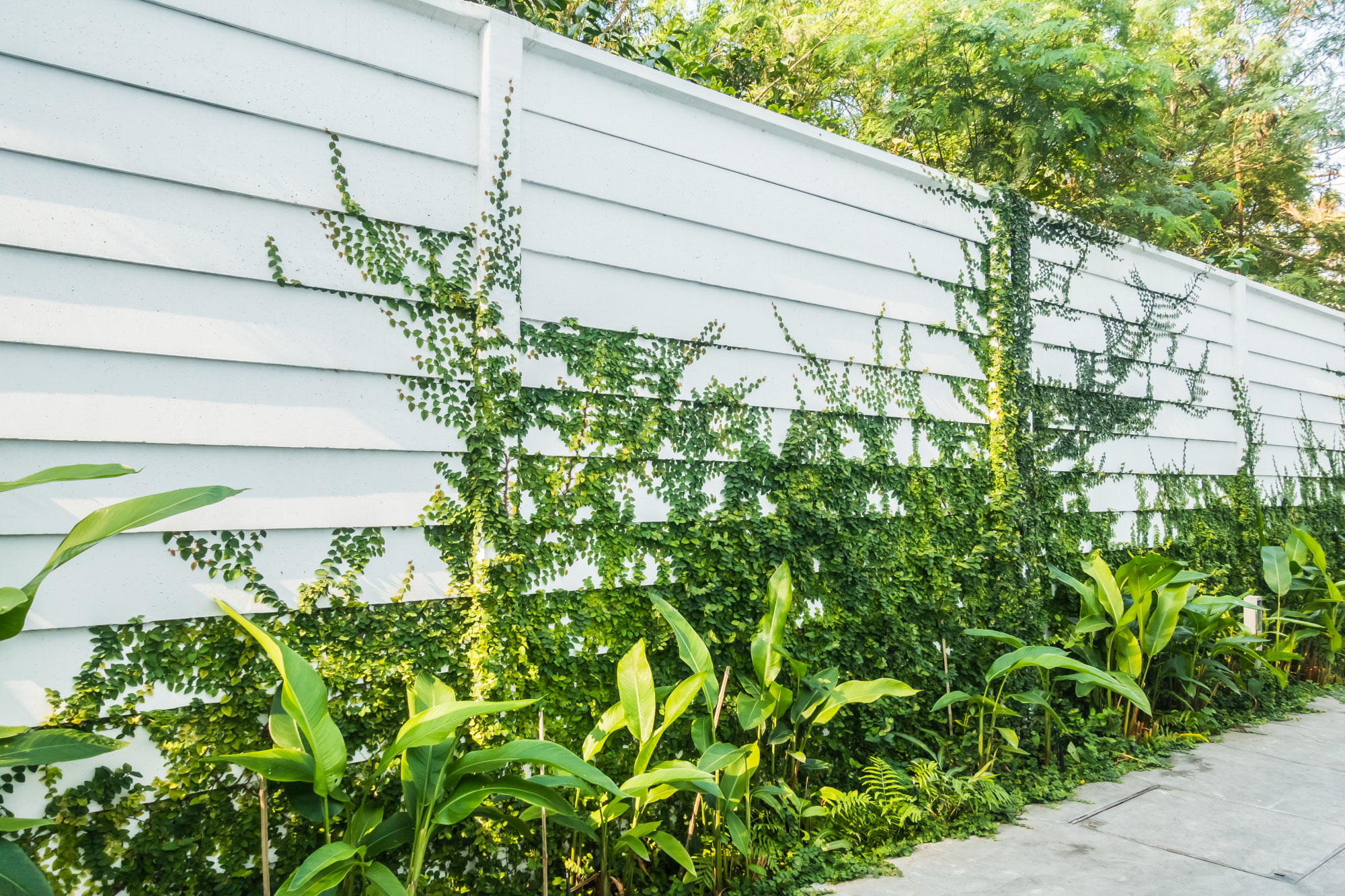
Fencing costs in Australia typically range from $80 to $350 per metre installed, depending on the material, site conditions, and your location. Colorbond is the most popular choice, sitting around $100 to $180 per metre installed. Timber runs slightly cheaper, while aluminium and glass pool fencing sit at the higher end.
Average Hourly Rate for Fencing Contractors in Australia
Planning a new fence and trying to work out what it will actually cost? You are not alone. Fencing is one of the most common home improvement projects in Australia, but pricing varies enormously depending on the material you choose, the length of your fence run, your soil type, and whether you are in Sydney, regional NSW, or somewhere in between.
This guide breaks down realistic 2026 price ranges for every major fencing type — installed by a licensed contractor — so you can plan your budget with confidence before getting a quote.
What Factors Affect the Cost of Fencing in Australia?
Before diving into per-metre prices, it helps to understand what drives fencing costs up or down.
Fence Length and Site Access
Longer runs tend to cost less per metre because the contractor’s mobilisation costs are spread over more metres. Tight access — narrow side gates, steep driveways, or inner-city blocks — adds time and labour.
Ground Conditions
Rocky ground, clay soil, or sites on a significant slope require extra work to set posts. Concrete footings on sloped sites take longer and cost more than a flat suburban run.
Material Choice
This is the biggest variable. Treated pine costs far less than aluminium blade fencing. Each material has different supply costs, installation complexity, and expected lifespan.
Removal of Old Fencing
If there is an existing fence to pull down and dispose of, expect to add $15 to $40 per metre to the overall cost depending on the material being removed.
Council and Permit Requirements
Most standard residential boundary fences under 1.8m do not require a permit in NSW, but higher fences, pool fences, or fences in bushfire zones may need council approval. Budget time and fees accordingly.
Fencing Cost Per Metre by Material (2026)
The table below shows typical installed price ranges for the most common fencing types in Sydney and broader NSW. Prices include materials and labour but exclude the removal of existing fencing.
|
Fence Type |
Price Per Metre (Installed) |
Expected Lifespan |
|
Colorbond Steel |
$100 – $180 |
20 – 30 years |
|
Treated Pine Paling |
$80 – $140 | 10 – 20 years |
|
Chain Wire / Chain Link |
$60 – $120 |
15 – 25 years |
|
Aluminium Slat / Blade |
$200 – $350 |
25 – 40 years |
|
Pool Glass Frameless |
$250 – $450 |
20 – 30 years |
|
Rural Post and Wire |
$20 – $60 |
15 – 25 years |
|
Hardwood Timber |
$130 – $220 |
20 – 30 years |
How Much Does Chain Wire Fencing Cost Per Metre?
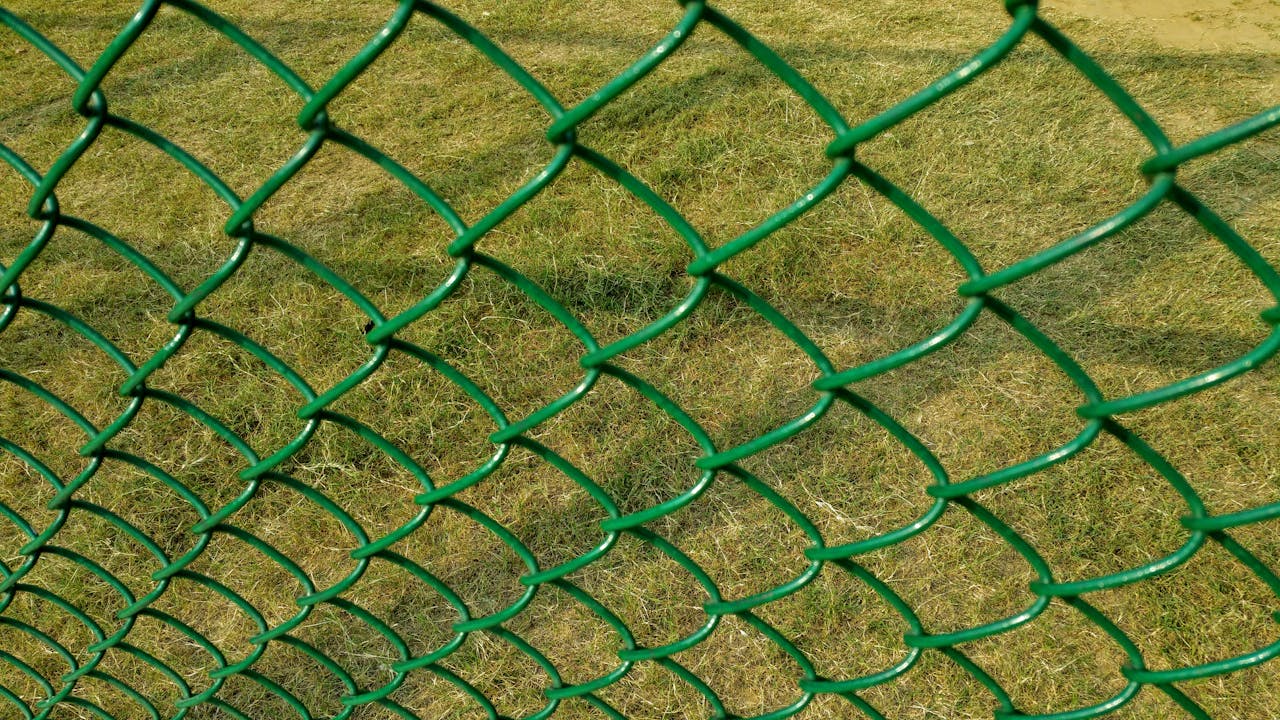
Chainwire is the most cost-effective option for large runs, particularly on commercial, industrial, or rural properties. For a standard 1.8m chain wire fence with steel posts and concrete footings, expect to pay $60 to $120 per metre installed in Sydney. Check out our chainwire page
Chain wire is especially popular for:
- Industrial and warehouse perimeters
- Sports courts and school grounds
- Building sites and temporary security
- Rural paddock boundaries
Typical contract fencing rates
Many fencing projects are quoted as contract fencing rates rather than hourly labour.
Instead of billing time, contractors calculate the full job cost, usually based on metres of fencing installed.
Australian fencing price guides show wide cost ranges depending on material.
Typical installed prices include:
- Timber paling fencing: $75 – $120 per metre
- Colorbond fencing: $85 – $100 per metre
- Tubular metal fencing: $180 – $350 per metre
- Brick or masonry fencing: $550 – $800 per metre
This is why contract fencing rates are often more useful than hourly estimates. The final quote includes both labour and materials, making budgeting easier for property owners.
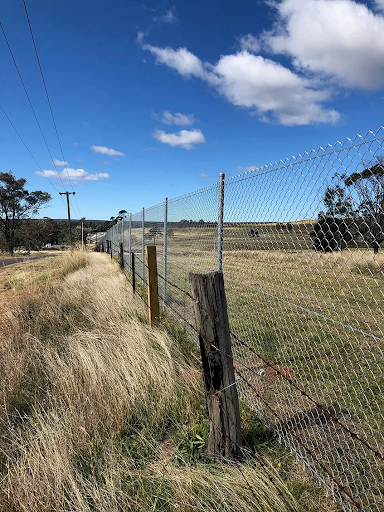
Rural fencing contractor hourly rate
The rural fencing contractor hourly rate can differ significantly from suburban fencing.
Rural projects often involve larger areas, more travel, and specialised fencing systems.
Common rural fencing jobs include:
- livestock boundary fencing
- paddock fencing
- farm perimeter fencing
- gate installations
- large property repairs
Rural fencing can also involve long stretches of wire fencing. Australian guides note that wire fencing materials alone can range from under $7 per metre up to around $12 per metre, depending on the type used.
Because of this variability, many rural contractors quote full project prices rather than hourly labour.
If you’re planning farm fencing, you can explore options like Rural Fence to see typical rural fencing systems.
6 Factors That Affect Fencing Labour Costs
When people ask how much do fencing contractors charge per hour, what they usually want to know is why some fences cost more than others.
Here are the biggest factors.
1. Soil and terrain
Rocky soil, slopes, and tree roots slow installation.
2. Fence material
Different materials take different amounts of time to install.
For example:
- timber fences install quickly
- steel or aluminium systems take longer
- masonry fences require heavy groundwork
3. Fence height
Taller fences require deeper posts and stronger supports.
4. Site access
Tight driveways or restricted commercial sites increase labour time.
5. Removal of old fencing
Demolishing an existing fence adds labour and disposal costs.
6. Equipment requirements
Some jobs require machinery such as augers or mini-excavators.
Australian fencing cost guides highlight these exact variables as key drivers of fencing installation costs.
Residential vs Commercial Fencing Labour Costs
Fencing labour can also vary depending on the type of property.
Residential fencing
Most residential projects involve:
- backyard boundaries
- side fencing
- pool fencing
- privacy fencing
These jobs are usually smaller and easier to access.
If you’re exploring home fencing options, Longain Fencing offers solutions like Residential Fencing and Chain Wire Fence.
Commercial fencing
Commercial sites often require:
- higher security fencing
- larger perimeter fences
- reinforced steel systems
- scheduled installation around business operations
These projects may involve stricter safety requirements and larger installation areas. Businesses can explore systems available through Commercial Fencing.
You can also browse available fencing styles through here or see our completed projects.
How to Get the Most Accurate Fencing Quote
Instead of relying purely on hourly estimates, the best way to understand contract fencing rates is to request a detailed quote.
When speaking with fencing contractors, ask questions like:
- Is the quote per metre or per project?
- Does the price include materials?
- Are excavation and concrete included?
- Will old fencing be removed?
- Are gates included in the quote?
Clear answers to these questions will help you compare quotes properly.
If you want an accurate price for your property, the easiest next step is to request a quote by contacting the team.
Final Thoughts
So, how much do fencing contractors charge per hour?
In Australia, many fencing contractors charge somewhere between $50 and $75 per hour, although simpler jobs may fall lower and more complex projects can exceed that range.
However, most fencing work is priced using contract fencing rates, meaning the full project cost is calculated based on materials, labour, and site conditions.
That is why the most reliable way to estimate fencing costs is always a site inspection and project quote rather than relying on hourly figures alone.