What Is a Chainwire Fence?
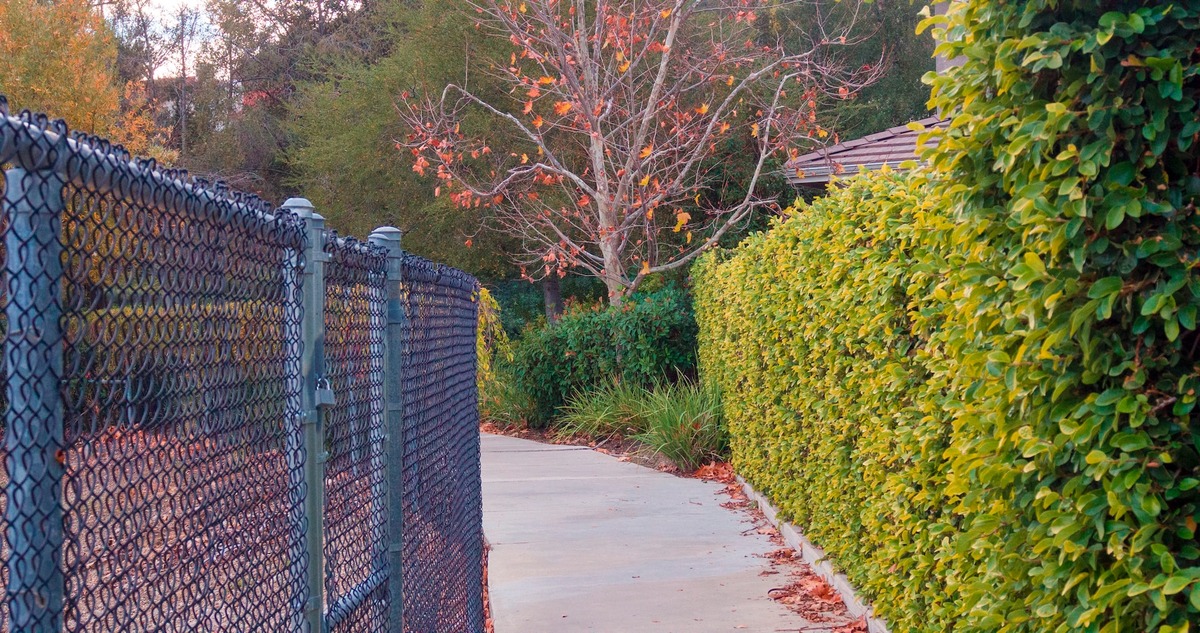
A chainwire fence is a fence made from woven steel wire mesh, stretched between posts and fixed to either rails or tension wire. If you have walked past a school oval, a warehouse yard or a backyard boundary in Sydney, you have almost certainly seen one. It is popular because it is strong, see-through, quick to install and needs very little upkeep.
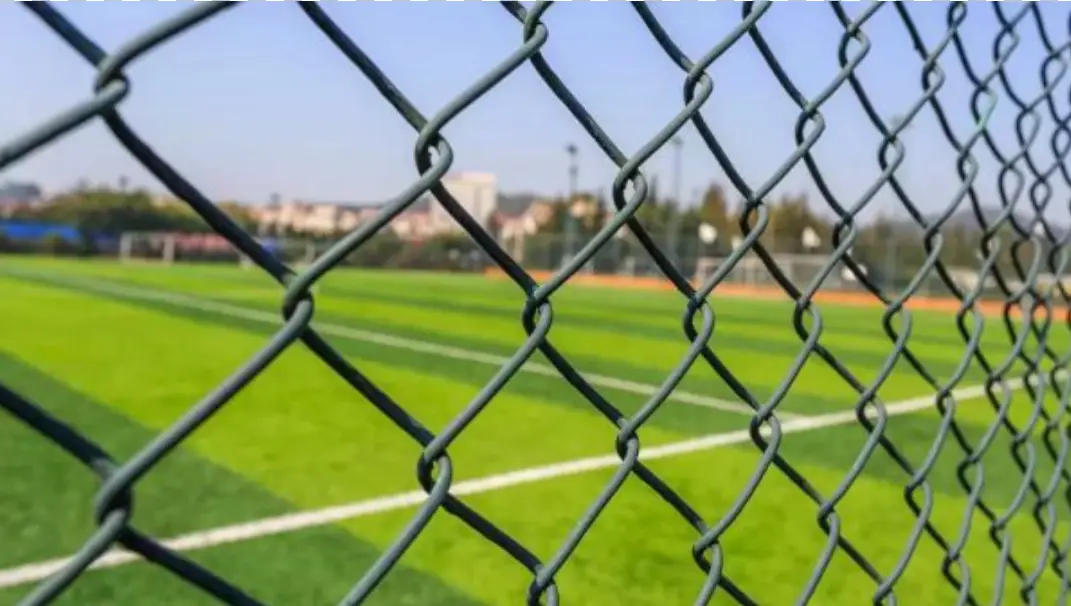
The mesh is woven into a repeating diamond pattern, which is where the name comes from. Each strand of wire links to the next, so the whole panel flexes under pressure instead of snapping, and it can follow the ground more easily than a rigid panel fence.
One product, several names. Depending on who you ask, a chainwire fence is also called a chain wire fence, chain link fence or chain mesh fence. They all describe the same woven diamond mesh fence.
When you compare quotes, the name matters less than the specification: the wire thickness, the coating, the post size and the height. Our guide on how to choose the right chain wire fencing walks through those choices.
What a Chainwire Fence Is Made Of
A chainwire fence has five main parts, and the quality of each one decides how long the fence lasts.
- Mesh: the woven diamond wire fabric. It comes galvanised (zinc coated steel) or PVC coated, often in black or green. Thicker wire and a heavier coating cost more but resist damage and weather for longer.
- Posts: line posts run along the fence, while end, corner and gate posts are heavier because they carry the pull of the stretched mesh. Posts are set into the ground or fixed to concrete. Our guides on post spacing and post depth cover the details.
- Rails or tension wire: the frame that holds the mesh taut. This is the biggest design choice, and we compare the two options in the next section.
- Fittings: tie wire, bands, bolts, tension bars and post caps that fix the mesh to the frame. Cheap fittings are a common reason fences sag or rust early.
- Gates: pedestrian and vehicle gates built to match the fence. See our chainwire gates guide for types and sizing.
Optional extras include barb wire arms for added security, which are covered in our post on barbed and razor wire rules in NSW.
Railless vs Top and Bottom Rail Chainwire Fencing
There are two common ways to hold a chainwire fence up. Which one suits you depends on the site, the purpose and the budget.
| Railless | Top and bottom rail | |
|---|---|---|
| How it works | Tension wire runs along the top and bottom, and the mesh is tied to it | Steel rails run between posts and the mesh is fixed to them |
| Look | Light and simple | Neater, stiffer, more finished |
| Cost | Lower | Higher |
| Best for | Boundary fences, rural and residential sites, uneven ground | Sports courts, schools, industrial yards, high security areas |
| Strength under impact | Good flex, less rigid | Holds its shape better against balls, vehicles and people |
Railless fencing is often the right pick for a backyard or long boundary because the mesh can be worked to follow the ground. Our post on chainwire fencing on sloping land explains why. Rail systems earn their extra cost where the fence will be knocked, climbed or leaned on.
Where Chainwire Fencing Is Used Across Sydney
Chainwire fencing suits more situations than almost any other fence type. Longain installs it for:
- Homes: backyard boundaries, side access, dog runs and garden enclosures, often paired with a Colorbond front fence.
- Schools and sports grounds: tennis courts, ovals, cricket nets and playgrounds, where visibility and ball containment matter.
- Industrial and commercial sites: warehouses, depots, yards and car parks that need a strong, affordable perimeter.
- Councils, utilities and government sites: secure compounds and public space enclosures that meet compliance requirements.
- Storage: chain wire and mesh storage cages built to the same standard.
Our benefits of chain wire fencing post goes deeper on why so many property owners choose it.
How long does a chainwire fence last?
A well specified chainwire fence is often expected to last 20 years or more. The result depends on the coating, the wire thickness, how close you are to the coast and how well it is looked after. PVC coating and heavier galvanising add life in harsh conditions. Our guides on the best materials for chainwire fences and how to maintain chain wire fencing show how to get the most out of yours.
Chainwire Fence FAQs
Is a chainwire fence the same as a chain link fence? Yes. Chainwire, chain wire, chain link and chain mesh all describe the same woven diamond mesh fence.
Is chainwire cheaper than other fencing? Usually, yes. It is one of the most affordable permanent fence types, which is why it appears in our guide to affordable fencing ideas in Sydney. The final price depends on height, coating, posts and site access.
Does a chainwire fence give privacy? No. It is see-through by design. If privacy is the priority, compare it with other options in our post on chain wire fencing vs other fencing options.
How high can a chainwire fence be? Height rules depend on where the fence is and what it is for. See our guide to chainwire fence height and Australian standards in NSW.
How long does installation take? Most residential jobs take a day or two. One recent customer had a PVC chain fence installed over two days.
Get a Free Chainwire Fence Quote in Sydney
Longain Fencing has more than 20 years of experience supplying and installing chainwire fencing for homes, schools, councils and industrial sites across Sydney and NSW. We are fully licensed and insured, and we leave every site clean and tidy.
Call 1300 816 166 or request a free quote online. You can also view our chain wire fencing range to see the options.